A New Way to Talk About Addiction
For decades, addiction was a subject many avoided, often buried under stigma, silence, and misunderstanding. Today, that silence is being broken in a surprising place: social media. Platforms like Instagram, TikTok, and Twitter have become powerful tools for education, advocacy, and support. When posts go viral, they do more than gather likes and shares. They spread truth, correct harmful myths, and connect people in need to life-saving resources.
Why Social Media Matters in Addiction Advocacy
Social media is more than entertainment. It is a modern-day community center where millions gather daily to learn, share, and support each other. When used intentionally, it becomes a megaphone for recovery advocates, treatment professionals, and individuals in recovery.
By sharing stories and resources online, people help reshape the public understanding of addiction. Instead of being viewed as a moral weakness, addiction is increasingly recognized as a health condition that deserves compassion, treatment, and holistic care.
Correcting Misconceptions with Viral Content
Replacing Myths with Facts
Misinformation about addiction spreads quickly, but so can truth. Educational campaigns that use graphics, short videos, or personal testimonials can reach thousands in a single day. Viral posts often emphasize key messages, such as addiction being a chronic condition that can be treated with the right support. These campaigns remind audiences that recovery is possible for anyone willing to seek help.
Showing the Human Side of Recovery
Statistics are powerful, but stories create change. Social media allows people in recovery to share their personal journeys in authentic and relatable ways. These stories challenge stereotypes, inspire hope, and show that behind every struggle is a person with resilience and potential. By going viral, these stories help others feel less alone and more willing to take their first steps toward healing.
Building Digital Communities of Support
Hashtags and online groups bring people together across borders and backgrounds. A person searching #RecoveryIsPossible or #EndTheStigma can instantly connect with thousands who understand their journey. These digital spaces provide encouragement, resources, and peer-to-peer support that can make all the difference for someone hesitant to reach out in person.
Recovery communities online also complement professional treatment. They encourage individuals to explore evidence-based options like inpatient and outpatient programs, therapy, and holistic approaches that address the mind, body, and spirit.
The Role of Treatment Centers in Digital Advocacy
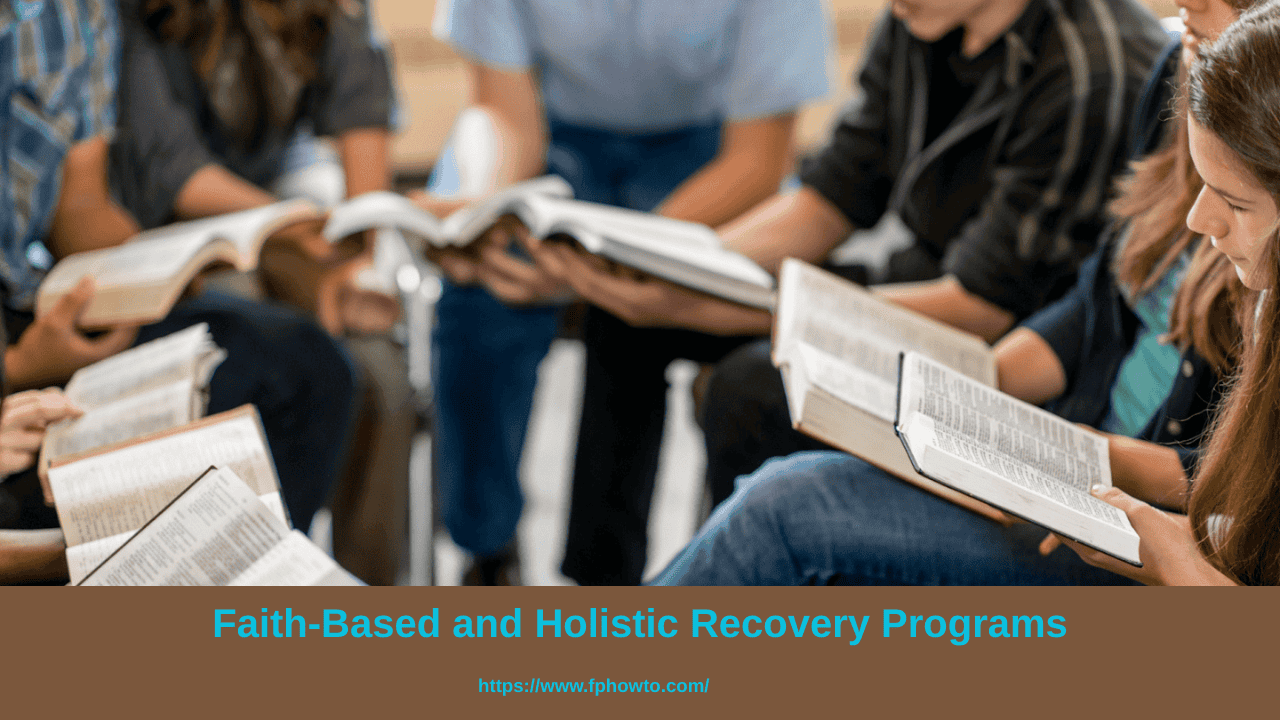
Faith-based and holistic recovery programs like those highlighted at FPHowTo recognize the importance of reaching people where they are. By engaging with social media, treatment centers can provide reliable information, answer common questions, and guide individuals toward individualized care.
This approach not only spreads truth but also builds trust. Families and individuals searching for support can see that compassionate professionals are ready to listen and provide help without judgment.
Practical Ways to Support Addiction Awareness Online
- Share credible resources about addiction and recovery.
- Use and follow hashtags such as #RecoveryMatters and #AddictionAwareness.
- Support campaigns that highlight recovery success stories.
- Engage with treatment centers and advocacy groups by liking, commenting, and sharing their posts.
Conclusion: Turning Clicks Into Change
Social media has the power to turn silence into conversation and stigma into understanding. By going viral for a cause, we can replace myths with truth and create digital pathways to recovery. Whether it is sharing a story, reposting a campaign, or connecting with a supportive community, every click can make a difference.
If you or someone you love is seeking healing, remember that help is closer than you think. At FPHowTo, compassionate, faith-based, and holistic care is available to guide you toward lasting recovery. Take the first step today—your story of hope and healing can inspire others tomorrow.