Addiction recovery begins long before treatment starts. For many people, it begins the moment they search for answers online. Unfortunately, what they find is often a mix of helpful guidance, harmful myths, and confusing information. This is why the digital space has become such a critical part of modern recovery. When used correctly, online platforms can empower individuals with accurate knowledge, reduce stigma, and replace fear with hope. At FPHowto, this mission aligns with a compassionate approach to addiction recovery services, mental health treatment, and individualized care that supports lasting healing.
The Power of Online Education in Addiction Recovery
Why Accurate Information Matters
Misinformation about addiction is still widespread. Many people believe outdated ideas, such as addiction being a lack of discipline or a moral failure. These misconceptions can delay treatment and deepen shame. In reality, addiction is a complex medical condition that affects brain function, behavior, and emotional health.
Online education helps correct these misunderstandings. When people learn the facts about substance use disorders, they are more likely to understand the importance of professional treatment, including inpatient and outpatient care options. Accurate information builds awareness, but more importantly, it builds confidence to take the next step.
Breaking Down Stigma Through Knowledge
Stigma is one of the biggest barriers to recovery. It can make individuals feel isolated, judged, or unworthy of help. The internet plays a powerful role in changing this narrative. Educational blogs, recovery websites, and professional resources provide evidence based information that replaces judgment with understanding.
As more people engage with truthful content, society begins to shift its perspective. Addiction becomes recognized as a health condition rather than a personal failure. This shift opens the door for more individuals to seek mental health treatment without fear.
How Online Platforms Share Hope in Recovery
Personal Stories That Inspire Change
One of the most impactful elements of online recovery education is storytelling. People in recovery sharing their journeys online help others see that healing is possible. These stories often include struggles, setbacks, and victories, making them relatable and powerful.
When someone reads about another person overcoming addiction, it can create a sense of hope that feels real and attainable. These shared experiences remind individuals that they are not alone and that recovery is a journey, not a destination.
Connecting People to Trusted Treatment Resources
Beyond education, the internet plays a key role in connecting individuals to real help. Trusted online platforms guide people toward legitimate addiction recovery services, including structured inpatient programs and flexible outpatient care.
Many resources also highlight holistic and faith-based treatment approaches. These individualized options allow people to choose care that aligns with their values, beliefs, and personal needs. This level of customization increases engagement and long-term success in recovery.
Telehealth and Virtual Support Systems
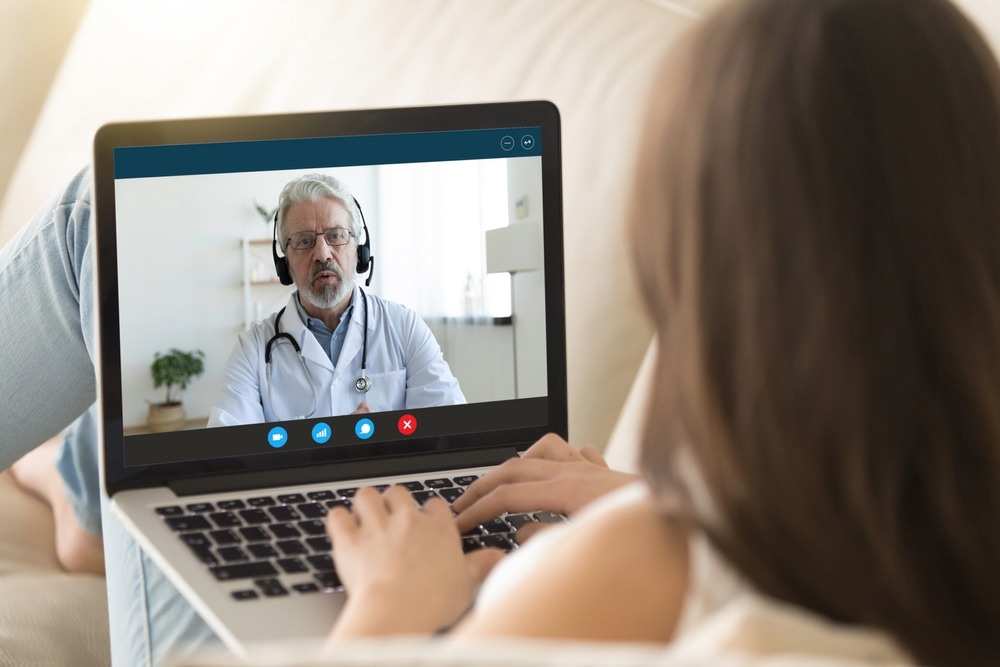
Technology has expanded access to care through telehealth services and virtual counseling. For individuals who may feel hesitant about in person treatment or face barriers such as distance or scheduling, online therapy provides a private and accessible solution.
Virtual support groups also allow people to connect with others who understand their experiences. These communities offer encouragement, accountability, and emotional support during every stage of recovery.
Practical Ways to Use Online Resources for Recovery
Focus on Trusted and Professional Sources
Not all online content is reliable. It is important to use websites that are connected to licensed professionals and established treatment providers. This ensures that the information is safe, accurate, and aligned with evidence based care.
Use Education as a First Step
Online learning should be used as a foundation for action. Reading about addiction, treatment options, and recovery strategies can help individuals feel more prepared to seek professional help.
Take Action When Ready
Recovery begins with a decision. Whether it is reaching out to a counselor, exploring treatment programs, or speaking with a trusted provider, taking action is the most important step forward.
Conclusion
Empowering recovery online means more than sharing information. It means combating myths, reducing stigma, and offering real hope to individuals and families affected by addiction. The internet has become a powerful bridge between confusion and clarity, and between struggle and healing.
If you or someone you love is facing addiction, know that help is available. Trusted resources, compassionate care, and effective treatment options are within reach. Recovery is possible, and the first step can begin today with a simple act of seeking support.

