The Digital Recovery Revolution: Using the Web to Connect People With Addiction Support

Finding help for addiction is often one of the hardest steps a person will ever take. Fear, uncertainty, and stigma can make reaching out feel overwhelming. Fortunately, the digital world is transforming how people access information, connect with professionals, and begin their recovery journey. Today, the internet is much more than a source of information. It has become a powerful gateway to addiction recovery services, mental health treatment, and compassionate support that meets people where they are. As digital tools continue to evolve, they are helping more individuals and families discover that recovery is possible and that help is closer than they may think.

How the Internet Is Transforming Addiction Recovery

Breaking Down Barriers to Treatment

For many people, barriers such as transportation, financial concerns, work schedules, or fear of being judged can delay treatment. Online resources help reduce these obstacles by making information about addiction recovery available anytime and from almost anywhere.

People can research treatment programs, learn about different levels of care, and better understand what to expect before making a phone call or scheduling an appointment. This early access to reliable information often gives individuals the confidence they need to take the next step.

Replacing Misinformation With Trusted Education

The internet contains a vast amount of information, but not all of it is accurate. Trusted recovery organizations and treatment providers play an important role by offering evidence based education that helps people separate myths from facts.

Reliable online content explains that addiction is a treatable health condition rather than a personal failure. It also helps individuals understand the connection between substance use disorders and mental health, encouraging a more compassionate and informed perspective.

Connecting People With the Right Support

Learning About Treatment Options

Every recovery journey is different, which is why understanding available treatment options is so important. Online education allows individuals and families to explore services that match their unique needs.

Many people discover the benefits of inpatient care, which provides a structured and supportive environment for individuals requiring intensive treatment. Others learn that outpatient care offers flexibility while allowing them to continue meeting family, work, or educational responsibilities.

Having access to this information helps people make informed decisions without feeling rushed or overwhelmed.

Finding Personalized Care

Successful recovery depends on treating the whole person, not just the addiction. Many treatment providers now emphasize individualized care plans that address physical health, emotional well-being, mental health, and personal goals.

Online resources make it easier to understand these personalized approaches and identify programs that align with each person’s circumstances. This may include specialized therapies, family support, relapse prevention planning, and long term recovery strategies.

Exploring Holistic and Faith Based Recovery

Many individuals are searching for treatment that supports emotional, physical, and spiritual healing. Digital platforms help introduce people to holistic and faith-based recovery programs that recognize the importance of healing every aspect of life.

These approaches often include wellness activities, counseling, spiritual guidance, mindfulness practices, and healthy lifestyle habits that support lasting recovery.

Digital Tools That Strengthen Recovery

Telehealth Expands Access to Care

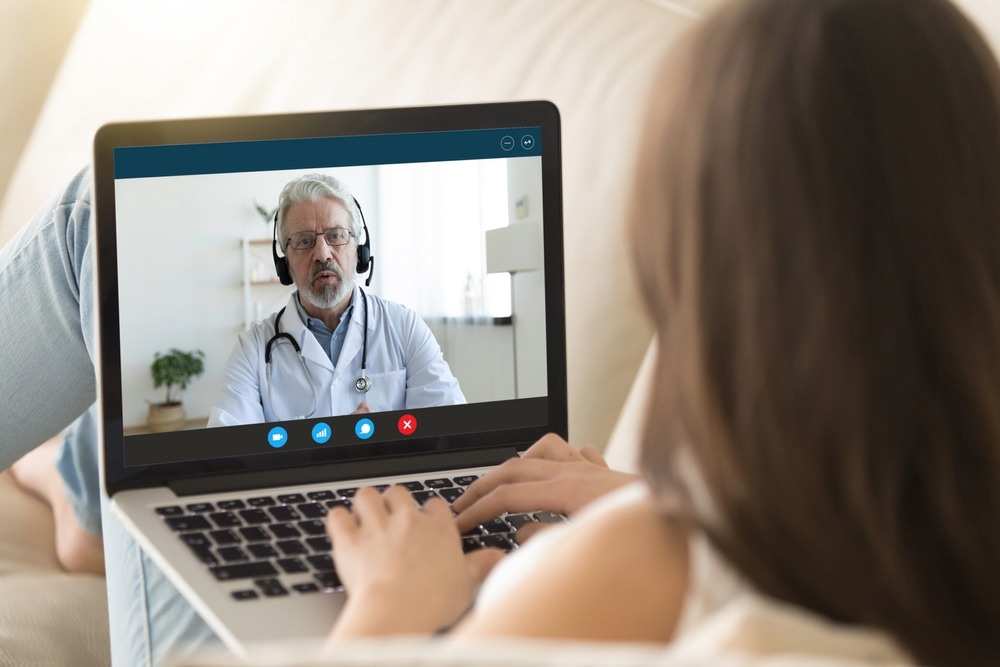
Telehealth has changed the way addiction and mental health treatment are delivered. Virtual counseling sessions allow individuals to receive professional support without traveling to an office.

This option is especially valuable for people living in rural communities, individuals with limited mobility, or those balancing work and family responsibilities. Telehealth makes consistent care more accessible while maintaining privacy and convenience.

Online Recovery Communities Build Connection

Recovery can sometimes feel lonely, especially during the early stages. Online recovery communities provide opportunities to connect with others who understand similar experiences.

Discussion groups, virtual meetings, and peer support networks offer encouragement, accountability, and practical advice. While these communities do not replace professional treatment, they can provide meaningful emotional support throughout the recovery journey.

Educational Resources Empower Families

Families play an essential role in recovery, yet many feel uncertain about how to help. Online educational resources explain the nature of addiction, healthy communication techniques, and ways to support long term healing.

When families understand addiction more clearly, they are better equipped to encourage recovery while maintaining healthy boundaries.

Making the Most of Online Recovery Resources

Choose Credible Information

Not every website provides trustworthy guidance. Look for information from licensed professionals, reputable treatment providers, and established organizations specializing in addiction and mental health treatment.

Balance Online Learning With Professional Care

The internet is an excellent starting point, but lasting recovery requires individualized assessment and treatment. Online education should encourage meaningful action rather than replace professional support.

Stay Committed to the Recovery Journey

Recovery is an ongoing process that involves learning, growth, and resilience. Continue using trusted digital resources to build knowledge, strengthen motivation, and stay connected to support systems.

Conclusion

The digital recovery revolution is changing the way people find hope, education, and addiction support. Through reliable information, virtual care, online recovery communities, and personalized treatment resources, the internet is helping remove barriers that once prevented many individuals from seeking help.

If you or someone you love is facing addiction, remember that support is available. Explore trusted addiction recovery services, learn about comprehensive mental health treatment, and discover the benefits of personalized, holistic, and faith-based care. Every journey begins with one decision, and today, that first step may be as simple as reaching out online for the guidance and support you deserve.


Truth Over Stigma: How the Internet Helps Share Real Facts About Addiction Treatment

For many years, addiction has been surrounded by misunderstanding, judgment, and misinformation. These misconceptions can prevent individuals from seeking the help they need and leave families unsure about how to respond. Today, the internet is helping change that conversation by making accurate addiction education more accessible than ever. Through reliable resources, professional guidance, and real recovery stories, online platforms are helping replace stigma with understanding and connect people with meaningful addiction treatment options.

The Importance of Sharing Accurate Addiction Information

Challenging Misconceptions About Addiction

One of the biggest obstacles in addiction recovery is the belief that addiction is a choice or a personal failure. These outdated ideas often create shame and discourage people from reaching out for support.

The truth is that addiction is a complex condition involving physical, emotional, and psychological factors. Many individuals struggling with substance use disorders also experience mental health challenges that require professional attention. By sharing accurate information online, experts and recovery communities help people better understand addiction as a treatable health condition.

Reducing Fear Through Education

Fear often comes from not knowing what to expect. Many individuals avoid treatment because they are uncertain about the process or worried about being judged. Online education provides clear information about addiction recovery services, therapy approaches, and different levels of care.

Learning about options such as inpatient and outpatient care can help individuals feel more prepared. When people understand what treatment involves, taking the first step toward recovery becomes less overwhelming.

How the Internet Is Changing Addiction Treatment Conversations

Providing Access to Evidence Based Resources

The internet gives people immediate access to information that was once difficult to find. Educational articles, treatment websites, and professional resources explain the realities of addiction and recovery in ways that are easy to understand.

These resources can cover important topics such as behavioral health, counseling, relapse prevention, and the connection between addiction and mental health treatment. Accurate information allows individuals and families to make better decisions about seeking help.

Connecting People With Recovery Support

Online platforms do more than provide education. They also connect people with recovery resources and professional support. Individuals can research treatment programs, explore available services, and learn what type of care may best meet their needs.

This accessibility is especially valuable for those who may feel hesitant to ask for help immediately. Having reliable information available privately allows people to begin their recovery journey at their own pace.

The Role of Real Stories in Reducing Stigma

Sharing Experiences That Inspire Hope

Personal recovery stories are one of the most powerful ways to challenge stigma. When individuals share their experiences, they show others that addiction does not define a person’s future.

These stories highlight the reality of recovery, including challenges, growth, and transformation. They remind people that seeking help is a sign of strength and that healing is possible.

Building Understanding Among Families

Addiction affects more than the individual experiencing it. Families often need education and support to understand what their loved one is going through.

Online resources help families learn about addiction, communication strategies, and available treatment options. This knowledge allows loved ones to offer support in healthier and more effective ways.

Exploring Personalized Approaches to Addiction Recovery

Recovery Is Unique for Every Person

There is no single path that works for everyone. Effective addiction treatment considers each person’s background, needs, goals, and circumstances.

Online education helps people discover individualized approaches that may include counseling, behavioral therapies, wellness practices, and other supportive services. Understanding these options allows individuals to find care that feels appropriate for their recovery journey.

Holistic and Faith Based Recovery Options

Many people seek treatment that supports emotional, physical, and spiritual healing. Online platforms help increase awareness of holistic and faith-based approaches that focus on the whole person.

These approaches may complement traditional treatment by helping individuals strengthen their sense of purpose, connection, and personal growth.

Using Online Resources Responsibly

Choose Reliable Sources

Not all online information is accurate. It is important to use resources from trusted professionals, established treatment providers, and reputable organizations. Reliable sources provide guidance that aligns with current knowledge and best practices.

Turn Information Into Action

Education is the beginning of change, but recovery requires action. After learning about addiction treatment options, individuals can take the next step by contacting a professional, exploring programs, or speaking with a trusted support person.

Stay Connected to Professional Care

Online resources are valuable tools, but they work best alongside professional support. Addiction recovery often requires guidance, accountability, and personalized care from trained providers.

Conclusion

Truth has the power to change the way society understands addiction. By sharing accurate information online, we can reduce stigma, encourage compassion, and help more individuals recognize that recovery is possible. The internet is becoming an important tool for spreading awareness and connecting people with the support they need.

If you or someone you love is struggling with addiction, do not let misinformation prevent you from seeking help. Explore trusted addiction recovery resources, learn about treatment options, and connect with compassionate professionals who understand the recovery journey. The first step toward healing can begin with understanding, and the right information can help lead the way.

How Online Education Is Changing the Way We Understand Addiction and Recovery

Addiction has often been misunderstood because of outdated beliefs, limited information, and harmful stigma. For many individuals and families, finding accurate answers about substance use, mental health, and treatment options can feel overwhelming. Today, online education is changing that experience by making reliable addiction information more accessible than ever. Through trusted digital resources, recovery stories, and professional guidance, the internet is helping people better understand addiction and discover pathways toward healing.

The Growing Importance of Addiction Education Online

Replacing Myths With Accurate Information

One of the biggest challenges in addiction recovery is overcoming misinformation. Many people still view addiction as a personal weakness instead of recognizing it as a complex condition that affects the brain, emotions, and overall well-being.

Online education helps correct these misconceptions by providing evidence based information about addiction, mental health, and recovery. When individuals understand the realities of substance use disorders, they are more likely to approach themselves or their loved ones with compassion instead of judgment.

Reliable online resources explain important topics such as the causes of addiction, the role of mental health treatment, and why professional support is often necessary. This knowledge helps people make informed decisions about seeking help.

Making Recovery Information Easier to Access

In the past, people often had limited ways to learn about addiction treatment. Today, a simple online search can introduce individuals to a wide range of recovery resources.

People can learn about addiction recovery services, treatment approaches, and available levels of care, including inpatient and outpatient programs. This access allows individuals to better understand their options before contacting a treatment provider.

For many people, having information available privately and immediately makes the first step toward recovery feel less intimidating.

How Online Learning Supports Recovery Journeys

Helping Individuals Recognize the Need for Support

Many people struggling with addiction do not immediately recognize that they need help. Education can create awareness by explaining common warning signs, the impact of substance use, and the benefits of professional treatment.

Online resources can help individuals identify when it may be time to seek support. Whether someone is researching for themselves or a loved one, access to clear information can encourage important conversations and positive action.

Connecting Families With Understanding and Guidance

Addiction affects entire families, not just individuals. Loved ones often experience confusion, fear, and uncertainty about how to respond.

Online education gives families access to information that helps them understand addiction as a health issue. This understanding can improve communication, reduce blame, and create a stronger support system throughout the recovery process.

Families can also learn about different treatment approaches, including holistic and faith-based options that focus on healing the whole person.

The Role of Digital Platforms in Sharing Hope

Recovery Stories Create Connection

One of the most meaningful parts of online addiction education is the ability to share real recovery experiences. Personal stories help show that addiction does not define a person and that healing is possible.

When individuals read about others who have overcome challenges, they often feel less alone. These stories create connection and provide hope during moments when recovery may feel difficult.

Online Communities Provide Support

Digital communities have created new opportunities for connection. Online forums, support groups, and recovery networks allow people to share experiences and encouragement with others who understand their journey.

While online communities do not replace professional care, they can provide additional support and motivation alongside treatment.

Understanding Personalized Addiction Treatment

Recovery Is Not One Size Fits All

Online education has also helped highlight the importance of individualized care. Every person’s experience with addiction is different, which means recovery plans should address unique needs, goals, and circumstances.

Personalized treatment may include therapy, counseling, wellness practices, spiritual support, and other approaches that support long term healing.

Exploring Holistic and Faith Based Approaches

Many individuals look for treatment that supports emotional, physical, and spiritual growth. Online resources make it easier to explore holistic and faith-based recovery approaches that align with personal values.

These options help people find care that feels meaningful and supportive throughout their recovery journey.

Turning Online Knowledge Into Real Action

Use Trusted Sources

Not all online information is accurate. It is important to seek resources from reputable treatment providers, licensed professionals, and organizations focused on evidence based care.

Ask Questions and Explore Options

Learning about addiction is the beginning, not the end, of the recovery process. Use online education to prepare questions, explore treatment choices, and understand what support may be available.

Take the Next Step Toward Healing

Information becomes powerful when it leads to action. Reaching out for professional guidance can be the turning point that begins a recovery journey.

Conclusion

Online education is changing the way people understand addiction and recovery by replacing myths with knowledge, fear with compassion, and uncertainty with hope. The internet has become a valuable resource for individuals and families seeking answers, support, and access to addiction recovery services.

If you or someone you love is struggling with addiction, remember that help is available. Learning about treatment options, exploring mental health support, and connecting with compassionate professionals can be the first steps toward lasting recovery. With the right information and support, healing is possible.

Spreading Truth Online: How Reliable Information Is Changing Addiction Recovery Conversations

The conversation around addiction is evolving, and much of that change is happening online. For years, myths, stigma, and misinformation shaped how people viewed substance use disorders and those affected by them. Today, reliable digital resources are helping rewrite that narrative. Through accurate education, compassionate storytelling, and easier access to treatment information, the internet is creating more informed and supportive conversations about addiction recovery. For individuals and families seeking answers, this shift is making it easier to understand addiction, explore treatment options, and take meaningful steps toward healing.

Why Accurate Information Matters in Addiction Recovery

The Impact of Misinformation

Misinformation about addiction can have serious consequences. When people believe addiction is simply a matter of willpower or personal choice, they may overlook the complex physical, emotional, and psychological factors involved. These misconceptions often increase stigma and discourage individuals from seeking professional help.

Reliable information changes that perspective. By explaining addiction as a treatable health condition, educational resources help individuals and families better understand the challenges involved and the importance of comprehensive care.

Building Confidence Through Knowledge

When people have access to trustworthy information, they are more likely to make informed decisions about treatment and recovery. Understanding the differences between inpatient and outpatient care, learning about therapy options, and exploring mental health treatment approaches can reduce fear and uncertainty.

Knowledge empowers people to take action. It helps them move beyond assumptions and focus on solutions that support long term recovery.

How the Internet Is Transforming Recovery Conversations

Creating Greater Public Awareness

Online platforms have dramatically expanded access to addiction education. Articles, videos, podcasts, and professional resources help people learn about substance use disorders in ways that are easy to understand and accessible from anywhere.

This increased awareness encourages more open conversations about addiction. As people become better informed, they are more likely to approach the topic with empathy rather than judgment.

Sharing Stories That Inspire Hope

Personal recovery stories have become an important part of online addiction education. Individuals who share their experiences help others understand that recovery is possible, even when challenges feel overwhelming.

These stories offer more than inspiration. They provide reassurance that setbacks can be overcome and that support is available. For many people, hearing someone else’s journey can be the motivation they need to seek help for themselves or a loved one.

Encouraging Honest Discussions About Mental Health

Addiction and mental health are often deeply connected. Reliable online information helps highlight this connection by educating people about co-occurring conditions such as anxiety, depression, and trauma.

As these conversations become more common, individuals are more likely to recognize the value of integrated treatment that addresses both addiction and mental health concerns.

Connecting People to Trusted Recovery Resources

Making Treatment Options Easier to Understand

One of the most valuable benefits of online education is helping people understand the different paths to recovery. Many individuals are unfamiliar with the range of addiction recovery services available to them.

Online resources can explain the benefits of inpatient programs, which provide structured and intensive support, as well as outpatient programs that allow individuals to maintain work, family, and personal responsibilities while receiving treatment. This information helps people identify the level of care that best fits their situation.

Highlighting Holistic and Individualized Care

Recovery is a personal journey. What works for one individual may not work for another. Reliable information helps people explore treatment options that address their unique needs, goals, and values.

Many recovery programs incorporate holistic therapies that support physical, emotional, and spiritual wellness. Faith-based approaches may also provide meaningful guidance for individuals who want their recovery journey to align with their beliefs. These personalized options can strengthen engagement and improve recovery outcomes.

Expanding Access Through Digital Support

Technology has made recovery support more accessible than ever. Telehealth services allow individuals to connect with counselors and therapists remotely, making mental health treatment available even when distance or scheduling challenges exist.

Online recovery communities also provide valuable encouragement and connection. While these communities are not a substitute for professional care, they can complement treatment by offering support, accountability, and understanding.

Using Online Information Wisely

Prioritize Credible Sources

Not all online content is accurate. It is important to seek information from licensed professionals, established treatment providers, and reputable health organizations.

Balance Education With Action

Learning about addiction is important, but information alone does not create change. Use online resources as a foundation for taking practical steps toward recovery, whether that means contacting a treatment provider, attending a consultation, or exploring support services.

Stay Open to Professional Guidance

The recovery journey is unique for every individual. Professional assessment and personalized care can help determine the most effective path forward.

Conclusion

Reliable information is changing addiction recovery conversations in powerful ways. By spreading truth online, educational resources are reducing stigma, increasing awareness, and helping people understand that recovery is possible. These conversations are creating a more compassionate environment where individuals feel supported rather than judged.

If you or someone you love is struggling with addiction, do not let misinformation stand in the way of healing. Reach out to a trusted treatment provider, explore available addiction recovery services, and learn about the mental health support options that can make a difference. Every recovery journey begins with a single step, and the right information can help guide the way toward lasting hope and transformation.

Digital Awareness in Action: How the Web Helps Families Understand Addiction Better

Addiction rarely affects just one person. It impacts families, relationships, and entire support systems. Yet for many loved ones, understanding addiction can feel confusing and emotionally overwhelming. Questions about why it happens, how to help, and what treatment looks like often come with uncertainty. Today, the internet is playing a critical role in changing that experience. Through accurate education, recovery resources, and compassionate storytelling, the web is helping families gain clarity and move from confusion to informed action.

How Digital Awareness Improves Family Understanding

Turning Confusion Into Clarity

When a family member is struggling with addiction, emotions often run high. Fear, frustration, and helplessness can make it difficult to think clearly. Online resources help break this cycle by offering accessible, evidence based information about addiction and mental health treatment.

Families can learn how substance use disorders develop, how they affect brain function, and why professional care is often necessary. This understanding helps reduce blame and replace it with compassion and informed support.

Addressing Common Family Misconceptions

Many families initially believe addiction is caused by poor choices alone or that their loved one should be able to stop without help. These misconceptions can create tension and delay treatment. Digital education helps correct these beliefs by explaining addiction as a medical condition that often requires structured support, including inpatient and outpatient care.

As families gain accurate knowledge, they are better equipped to respond with understanding instead of judgment.

The Role of Online Resources in Family Support

Access to Reliable Addiction Education

One of the most valuable aspects of the internet is instant access to trustworthy information. Families can explore educational content that explains the stages of addiction, warning signs, and available treatment options.

This includes guidance on addiction recovery services, therapy approaches, and mental health treatment programs that address co occurring conditions like anxiety or depression. Having this knowledge empowers families to take meaningful steps toward helping their loved one.

Learning About Treatment Options Together

The web allows families to explore care options together at their own pace. They can compare inpatient programs, outpatient services, and individualized treatment plans that fit different needs and lifestyles.

Many resources also highlight holistic and faith based approaches that focus on healing the whole person. This helps families feel more involved in the decision making process and more confident about supporting recovery.

Virtual Support and Family Education Programs

Online platforms now offer virtual family education sessions, counseling, and support groups. These tools give families a safe space to ask questions, share experiences, and learn how to navigate recovery alongside their loved one.

Telehealth options also allow families to participate in counseling sessions when appropriate, strengthening communication and improving long term outcomes.

How Online Awareness Supports Healthier Family Dynamics

Reducing Shame and Encouraging Open Communication

Stigma often prevents families from talking openly about addiction. Digital education helps normalize these conversations by showing that addiction is a health condition, not a moral failure.

As understanding grows, families are more likely to communicate openly, set healthy boundaries, and seek professional guidance without shame or secrecy.

Helping Families Recognize the Need for Professional Care

Another important benefit of online awareness is recognizing when professional help is needed. Families can learn to identify signs that suggest it is time to seek structured treatment, such as behavioral changes, health decline, or repeated relapses.

This awareness helps families act earlier, which can significantly improve recovery outcomes.

Supporting Families Through Every Stage of Recovery

Recovery is not a single event. It is a long term process that involves both the individual and their support system. Online resources help families understand what to expect at each stage, from early intervention to long term recovery maintenance.

This knowledge helps families remain supportive and resilient throughout the journey.

Practical Steps Families Can Take Online

Focus on Trusted Information Sources

Use websites and resources provided by licensed professionals or reputable treatment centers. This ensures the information is accurate and safe.

Learn Before Reacting

Taking time to understand addiction before responding emotionally can lead to more supportive and effective communication.

Explore Treatment Options Together

Families can research care options and discuss them with their loved one in a calm and informed way.

Seek Professional Guidance Early

Online education should lead to action. Reaching out to addiction recovery services or mental health professionals is an important next step.

Conclusion

Digital awareness is transforming how families understand and respond to addiction. By providing education, reducing stigma, and connecting people to trusted recovery resources, the web is helping families move from confusion to clarity and from fear to hope.

If your family is facing addiction, you do not have to navigate it alone. Trusted support, compassionate care, and effective treatment options are available. Take the next step today by exploring professional resources or reaching out for help. Recovery is possible, and understanding is the first step toward healing together.

Beyond the Myths: Using Online Platforms to Share Accurate Addiction Education

Addiction continues to be surrounded by myths that create confusion, fear, and stigma. Many people still encounter outdated beliefs that prevent them from understanding the reality of substance use disorders and the importance of professional care. Today, online platforms are changing that landscape. By sharing accurate, evidence based addiction education, the internet is helping individuals and families replace misinformation with understanding and take informed steps toward recovery. For those seeking addiction recovery services and mental health treatment, this shift is both timely and essential.

Why Addiction Myths Still Persist

Common Misconceptions That Block Recovery

Despite growing awareness, many myths about addiction remain widespread. Some people believe addiction is simply a lack of self control. Others assume recovery should be quick or that relapse means failure. These misconceptions can cause shame and delay treatment, especially for individuals who would benefit from inpatient or outpatient care.

In reality, addiction is a complex condition that affects brain chemistry, emotional health, and behavior. It often develops alongside mental health challenges such as anxiety, depression, or trauma. Without accurate information, people may struggle to understand what is happening and where to turn for help.

The Emotional Impact of Misinformation

Misinformation does more than spread confusion. It creates emotional barriers. Individuals may feel judged, misunderstood, or alone. Families may feel helpless or uncertain about how to support their loved one. This is why accurate online education is so important. It helps replace fear with clarity and opens the door to compassionate care.

How Online Platforms Are Changing Addiction Education

Providing Clear and Evidence Based Information

One of the most powerful benefits of online platforms is access to reliable education. Websites, blogs, and professional resources explain how addiction develops, how it affects the brain, and what treatment options are available.

This includes detailed information about mental health treatment, detoxification, therapy, and structured recovery programs. When individuals understand the science behind addiction, they are more likely to seek help without shame or hesitation.

Making Recovery Information More Accessible

In the past, learning about treatment often required speaking directly with a provider. Today, online platforms make this information available instantly. People can explore addiction recovery services, compare treatment options, and learn about holistic, faith based, and individualized care approaches.

This accessibility helps individuals feel more prepared and less overwhelmed when considering the next step in their recovery journey.

Sharing Personal Stories That Challenge Myths

Another powerful way online platforms educate is through lived experience. Recovery stories shared through blogs, forums, and videos help humanize addiction. They show that recovery is possible and that setbacks are part of the process, not the end of it.

These stories also challenge harmful stereotypes by showing real people rebuilding their lives through support, treatment, and perseverance.

Connecting Education to Real Recovery Support

Guiding People Toward Professional Treatment

Education alone is not enough. It must lead to action. Many online platforms help bridge this gap by guiding individuals toward licensed treatment providers. This includes both inpatient programs for intensive care and outpatient services for flexible support.

By connecting information with real services, the internet becomes a practical tool for recovery planning.

Expanding Access Through Telehealth Services

Telehealth has made mental health treatment more accessible than ever. Virtual therapy sessions allow individuals to connect with licensed professionals from the privacy of their own space. This option is especially helpful for those who may feel anxious about in person care or face logistical barriers.

Online support ensures that help is available when and where it is needed.

Supporting Holistic and Individualized Healing

Recovery is not one size fits all. Many people benefit from approaches that address the whole person, including emotional, physical, and spiritual needs. Online platforms make it easier to explore holistic and faith based programs that align with personal values.

This individualized approach helps improve engagement and long term recovery outcomes.

Practical Ways to Use Online Education Effectively

Choose Trusted Sources

Always rely on information from licensed professionals, accredited treatment centers, or reputable mental health organizations. This ensures accuracy and safety.

Use Information as a Starting Point

Online education should guide next steps, not replace professional care. It is a tool for understanding and preparation.

Take Action When Ready

Recovery begins with a single step. Whether it is reaching out for help, learning about treatment options, or starting a conversation, every action matters.

Conclusion

Beyond the myths, the internet is becoming a powerful force for truth in addiction education. By providing accurate information, sharing real recovery stories, and connecting people to trusted treatment options, online platforms are helping transform confusion into clarity and stigma into hope.

If you or someone you love is struggling with addiction, support is available. Explore trusted online resources, learn about treatment options, and reach out to a qualified provider. Recovery is possible, and the right help is closer than you think.

How the Internet Is Rewriting the Truth About Addiction and Recovery Support

For decades, addiction has been surrounded by misunderstanding, silence, and stigma. Many people struggling with substance use disorders were left without accurate information or access to compassionate support. Today, that is changing. The internet is playing a powerful role in rewriting the truth about addiction by making reliable education, recovery resources, and mental health treatment information more accessible than ever. For individuals and families seeking clarity, the web has become a vital bridge between confusion and real, life-changing support.

The Shift From Misinformation to Understanding

Why Old Beliefs About Addiction Still Persist

Despite advances in science and mental health care, outdated beliefs about addiction still exist. Many people wrongly assume addiction is caused by weak character or lack of discipline. These ideas can lead to shame and prevent individuals from seeking addiction recovery services when they need them most.

The truth is that addiction is a complex medical condition that affects brain function, emotional regulation, and behavior. It often coexists with mental health challenges such as anxiety, depression, or trauma. The internet has become one of the most important tools for correcting these misconceptions.

How Online Education Is Changing Public Perception

Reliable online content helps replace myths with facts. Educational articles, expert blogs, and treatment resources explain how addiction develops and why professional care is often necessary. This includes structured inpatient care for intensive support and outpatient programs for flexible treatment options.

As more people access this information, public understanding begins to shift. Addiction is increasingly recognized as a health condition that requires treatment, not judgment.

How the Internet Supports Addiction Recovery

Making Treatment Information Easier to Access

One of the most important contributions of the internet is access to clear treatment information. Individuals can now explore different types of care, compare programs, and understand what recovery might look like before taking the first step.

This includes learning about mental health treatment options that address underlying emotional challenges, as well as personalized programs designed to meet individual needs. Having this knowledge helps reduce fear and uncertainty, which often prevent people from seeking help.

Connecting People to Real Recovery Support

Beyond education, the internet connects individuals directly to recovery support systems. This includes addiction treatment centers, counseling services, and online recovery communities. These resources provide guidance and encouragement during every stage of the recovery journey.

Many platforms also highlight holistic and faith-based approaches, offering individuals the opportunity to choose care that aligns with their personal beliefs and values. This individualized approach helps improve engagement and long-term recovery outcomes.

The Role of Telehealth in Modern Recovery

Telehealth has become a major part of addiction recovery support. Through virtual counseling and online therapy sessions, individuals can now receive professional care from the privacy of their own home.

This is especially helpful for those who may feel hesitant about in-person treatment or who face barriers such as transportation, scheduling, or location. Telehealth ensures that support remains consistent and accessible.

The Power of Online Recovery Communities

Sharing Real Stories That Inspire Hope

One of the most meaningful aspects of online recovery spaces is the sharing of personal stories. Individuals who have experienced addiction often use digital platforms to share their journeys, including challenges and successes.

These stories help reduce isolation and show others that recovery is possible. They also provide emotional encouragement during difficult moments, reminding individuals that they are not alone.

Building Supportive Digital Connections

Online communities offer safe spaces where people can ask questions, share experiences, and receive encouragement. These connections often complement professional treatment and help individuals stay motivated throughout recovery.

When used responsibly, these communities can strengthen accountability and provide ongoing emotional support.

How to Use Online Resources Effectively

Focus on Trusted Information Sources

Not all online content is reliable. It is important to use websites and platforms connected to licensed professionals, accredited treatment centers, or reputable mental health organizations. This ensures that the information is accurate and safe.

Use Online Learning as a Starting Point

The internet should be used as a guide, not a replacement for professional care. Information can help individuals understand their situation, but real progress comes from taking action and connecting with treatment providers.

Take Small but Meaningful Steps

Recovery begins with simple steps such as reading trusted information, reaching out for help, or exploring treatment options. Each step builds momentum toward lasting change.

Conclusion

The internet is rewriting the truth about addiction by replacing misinformation with education, isolation with connection, and fear with hope. It has become a powerful tool for helping individuals and families understand addiction and access meaningful recovery support.

If you or someone you love is struggling, know that help is available. Trusted addiction recovery services, compassionate mental health treatment, and personalized care options are within reach. Take the first step today by exploring reliable resources or reaching out to a qualified treatment provider. Recovery is possible, and support is closer than ever.

The Online Path to Understanding Addiction: Resources, Stories, and Support

Understanding addiction can feel overwhelming, especially for individuals and families who are facing it for the first time. Questions about causes, treatment options, and recovery often lead people to the internet in search of answers. Today, online platforms have become an essential part of that journey, offering education, real-life stories, and access to trusted addiction recovery services. When used wisely, the web can guide people from confusion to clarity and from isolation to meaningful support.

Building a Clear Understanding of Addiction Online

Learning the Facts About Substance Use Disorders

One of the most important benefits of online education is access to accurate, evidence-based information. Addiction is a complex condition that affects the brain, behavior, and emotional health. It is not simply a matter of choice or willpower. Through reliable online resources, individuals can learn how substance use disorders develop and why professional treatment is often necessary.

This understanding helps people recognize the importance of structured care, including inpatient and outpatient programs, as well as mental health treatment that addresses underlying conditions such as anxiety, trauma, or depression.

Replacing Myths With Evidence-Based Knowledge

Many harmful myths about addiction still exist. Some people believe recovery is simply a matter of stopping substance use, while others think relapse means failure. Online education helps correct these misunderstandings by providing clear, professional guidance.

As people learn the truth, stigma begins to fade. This shift allows individuals to seek help earlier and with less fear of judgment, which can significantly improve long-term recovery outcomes.

The Power of Recovery Stories Shared Online

Real Experiences That Create Real Hope

Stories from individuals in recovery are some of the most powerful tools for understanding addiction. These personal accounts show the challenges, setbacks, and victories that come with the recovery process. More importantly, they remind others that healing is possible.

When someone reads about another person who has overcome addiction, it can create a sense of hope and connection. This emotional support is often the first step toward considering treatment and making positive change.

Reducing Isolation Through Shared Journeys

Addiction often leads to isolation. Many individuals feel alone in their struggles, even when surrounded by others. Online recovery communities help break this isolation by creating spaces where people can share experiences and offer encouragement.

These digital connections provide reassurance that others understand what they are going through, which can be deeply motivating during early recovery.

Connecting Online Learning to Real Recovery Support

Accessing Trusted Addiction Recovery Services

The internet does more than educate. It also connects people to real treatment options. Trusted platforms help individuals find addiction recovery services that include structured inpatient care for intensive support and outpatient programs for more flexible treatment.

This access makes it easier for individuals to explore options that fit their needs and take the next step toward professional help.

Exploring Holistic and Individualized Treatment Approaches

Recovery is not one size fits all. Many people benefit from treatment plans that address the whole person, including physical health, emotional well-being, and spiritual needs. Online resources often highlight holistic and faith-based approaches that complement traditional therapy.

Individualized care is especially important because it allows treatment to adapt to each person’s unique history, challenges, and goals.

The Role of Telehealth in Modern Recovery

Virtual counseling and telehealth services have expanded access to care significantly. Individuals can now connect with licensed professionals from the privacy of their own home. This option is especially helpful for those who may feel anxious about in-person treatment or face barriers such as location or transportation.

Telehealth also supports continuity of care, making it easier to stay engaged in recovery over time.

Practical Steps for Using Online Resources Wisely

Choose Trusted and Professional Sources

Not all online information is accurate. It is important to rely on resources that are supported by licensed professionals or established treatment providers. This ensures that the guidance you receive is safe and reliable.

Use Online Learning as a Starting Point

Education is powerful, but it should lead to action. Use what you learn online to begin conversations, explore treatment options, or reach out for professional support.

Take One Step at a Time

Recovery does not happen all at once. Small steps, such as researching programs or speaking with a counselor, can lead to meaningful progress over time.

Conclusion

The online path to understanding addiction offers more than information. It provides resources, real-life stories, and connections that help individuals move from uncertainty to hope. When used thoughtfully, the internet becomes a bridge between awareness and recovery.

If you or someone you love is struggling with addiction, you do not have to face it alone. Trusted support, compassionate care, and effective treatment options are available. Take the next step today by exploring professional resources or reaching out for help. Recovery is possible, and support is closer than you think.

Empowering Recovery Online: Combating Myths and Sharing Hope

Addiction recovery begins long before treatment starts. For many people, it begins the moment they search for answers online. Unfortunately, what they find is often a mix of helpful guidance, harmful myths, and confusing information. This is why the digital space has become such a critical part of modern recovery. When used correctly, online platforms can empower individuals with accurate knowledge, reduce stigma, and replace fear with hope. At FPHowto, this mission aligns with a compassionate approach to addiction recovery services, mental health treatment, and individualized care that supports lasting healing.

The Power of Online Education in Addiction Recovery

Why Accurate Information Matters

Misinformation about addiction is still widespread. Many people believe outdated ideas, such as addiction being a lack of discipline or a moral failure. These misconceptions can delay treatment and deepen shame. In reality, addiction is a complex medical condition that affects brain function, behavior, and emotional health.

Online education helps correct these misunderstandings. When people learn the facts about substance use disorders, they are more likely to understand the importance of professional treatment, including inpatient and outpatient care options. Accurate information builds awareness, but more importantly, it builds confidence to take the next step.

Breaking Down Stigma Through Knowledge

Stigma is one of the biggest barriers to recovery. It can make individuals feel isolated, judged, or unworthy of help. The internet plays a powerful role in changing this narrative. Educational blogs, recovery websites, and professional resources provide evidence based information that replaces judgment with understanding.

As more people engage with truthful content, society begins to shift its perspective. Addiction becomes recognized as a health condition rather than a personal failure. This shift opens the door for more individuals to seek mental health treatment without fear.

How Online Platforms Share Hope in Recovery

Personal Stories That Inspire Change

One of the most impactful elements of online recovery education is storytelling. People in recovery sharing their journeys online help others see that healing is possible. These stories often include struggles, setbacks, and victories, making them relatable and powerful.

When someone reads about another person overcoming addiction, it can create a sense of hope that feels real and attainable. These shared experiences remind individuals that they are not alone and that recovery is a journey, not a destination.

Connecting People to Trusted Treatment Resources

Beyond education, the internet plays a key role in connecting individuals to real help. Trusted online platforms guide people toward legitimate addiction recovery services, including structured inpatient programs and flexible outpatient care.

Many resources also highlight holistic and faith-based treatment approaches. These individualized options allow people to choose care that aligns with their values, beliefs, and personal needs. This level of customization increases engagement and long-term success in recovery.

Telehealth and Virtual Support Systems

Technology has expanded access to care through telehealth services and virtual counseling. For individuals who may feel hesitant about in person treatment or face barriers such as distance or scheduling, online therapy provides a private and accessible solution.

Virtual support groups also allow people to connect with others who understand their experiences. These communities offer encouragement, accountability, and emotional support during every stage of recovery.

Practical Ways to Use Online Resources for Recovery

Focus on Trusted and Professional Sources

Not all online content is reliable. It is important to use websites that are connected to licensed professionals and established treatment providers. This ensures that the information is safe, accurate, and aligned with evidence based care.

Use Education as a First Step

Online learning should be used as a foundation for action. Reading about addiction, treatment options, and recovery strategies can help individuals feel more prepared to seek professional help.

Take Action When Ready

Recovery begins with a decision. Whether it is reaching out to a counselor, exploring treatment programs, or speaking with a trusted provider, taking action is the most important step forward.

Conclusion

Empowering recovery online means more than sharing information. It means combating myths, reducing stigma, and offering real hope to individuals and families affected by addiction. The internet has become a powerful bridge between confusion and clarity, and between struggle and healing.

If you or someone you love is facing addiction, know that help is available. Trusted resources, compassionate care, and effective treatment options are within reach. Recovery is possible, and the first step can begin today with a simple act of seeking support.

From Awareness to Action: How the Web Connects People to Trusted Recovery Resources

Awareness is often the first step toward change, especially when it comes to addiction. Many individuals and families begin their journey by searching for answers online, trying to understand what they are experiencing and what help might look like. Today, the web plays a powerful role in turning that awareness into action by connecting people to trusted recovery resources, professional care, and supportive communities. When used responsibly, digital platforms can help bridge the gap between confusion and clarity, and between struggle and healing.

Why Awareness Alone Is Not Enough

Understanding the Gap Between Information and Action

Many people can recognize that addiction is a serious issue, but still feel unsure about what to do next. Awareness without direction can lead to hesitation, fear, or avoidance of treatment. This is where trusted online resources become essential. They do not just explain addiction. They guide individuals toward real solutions, including addiction recovery services and mental health treatment options.

The Emotional Barriers to Seeking Help

Even with access to information, emotional barriers often stand in the way. Shame, guilt, denial, and fear of judgment can prevent people from reaching out. Online platforms help reduce these barriers by offering private, judgment free access to education and support. This can be the first step in helping someone feel safe enough to consider treatment.

How the Web Builds a Bridge to Recovery

Connecting People to Trusted Treatment Options

One of the most valuable roles of the internet is helping individuals find reliable treatment providers. Through online directories and educational platforms, people can explore inpatient and outpatient care programs, compare services, and learn what type of support fits their needs. This access to information helps remove uncertainty and makes the next step feel more manageable.

Highlighting Individualized and Holistic Care

Recovery is not a one size fits all process. Many individuals benefit from personalized treatment plans that address both mental and physical health. Online resources make it easier to discover holistic, faith-based, and individualized approaches to care. These options may include counseling, wellness practices, spiritual support, and integrated mental health treatment that focuses on the whole person.

Expanding Access Through Virtual Care

Telehealth has become a vital part of modern addiction recovery. Virtual therapy sessions and online counseling allow individuals to connect with licensed professionals from the privacy of their own space. This is especially helpful for those who face transportation barriers, live in remote areas, or feel nervous about in person treatment. The web makes support more accessible and consistent.

Turning Online Awareness Into Real-Life Action

Recognizing When It Is Time to Reach Out

Awareness becomes meaningful when it leads to action. If someone recognizes signs of addiction in themselves or a loved one, the next step is seeking professional guidance. Online resources can help individuals understand symptoms, explore treatment options, and identify when intervention may be necessary.

Using Online Information to Start Conversations

One of the most powerful outcomes of online education is its ability to spark real conversations. Families and individuals can use what they learn online to talk openly about addiction, mental health concerns, and treatment possibilities. These conversations often become the turning point that leads to recovery.

Choosing Reliable Sources Matters

Not all online information is accurate. It is important to rely on trusted platforms that are connected to licensed professionals and established recovery programs. High quality resources ensure that individuals receive correct guidance about addiction recovery services, mental health care, and evidence based treatment approaches.

Practical Steps for Moving From Awareness to Action

Step 1: Learn From Credible Sources

Focus on reputable websites that provide accurate information about addiction and recovery.

Step 2: Explore Treatment Options

Review inpatient and outpatient programs, as well as holistic and individualized care approaches.

Step 3: Reach Out for Professional Help

Contact a licensed provider or treatment center to discuss available support options.

Step 4: Take One Small Step Forward

Recovery begins with a single action, whether it is making a call, sending a message, or attending a consultation.

Conclusion

The internet has transformed how people move from awareness to action in addiction recovery. It provides education, reduces stigma, and connects individuals to trusted recovery resources that can truly change lives. While awareness is an important first step, action is what leads to healing.

If you or someone you love is struggling with addiction, you are not alone. Trusted help is available, and recovery is possible. Take the next step today by reaching out to a qualified treatment provider or exploring professional recovery resources. The path to healing can begin with a single decision, and support is closer than you think.